
By: Ms. Yashvi Singhvi (Web Development Intern)
Over the past several years, we’ve watched artificial intelligence (AI) and automation leave the realm of science fiction and enter our working lives. From auto-reply emails or handy smart assistants, to AI- made design tools or screening software for resumes-all of these make some basic changes in how we work; more importantly they decide what we work on.
Some fear that automation will take jobs away, but the truth is more complicated. AI is not so much taking opportunities away as creating them anew. It’s reshaping conventional roles, generating new ones and making us consider how we can construct smarter, more efficient ways of working.
Automation Tools Are Becoming Everyday Coworkers
The days are gone when automation was the province only of massive manufacturing plants or tech behemoths. Nowadays, professionals rely on tools like Zapier, Notion AI and HubSpot to automate common tasks,sending marketing emails, managing CRM data or running project workflows.
AI is already being used to conduct predictive analysis and A/B testing, which marketing teams of before would take months doing manually. Likewise, HR managers leverage automation for interviews scheduling, payroll processing, and even candidate shortlisting via ATS (Applicant Tracking Systems).
These tools are not replacing humans they’re multiplying our powers. They eliminate repetitive tasks, allowing people to concentrate on creativity, decision making and deep thinking.
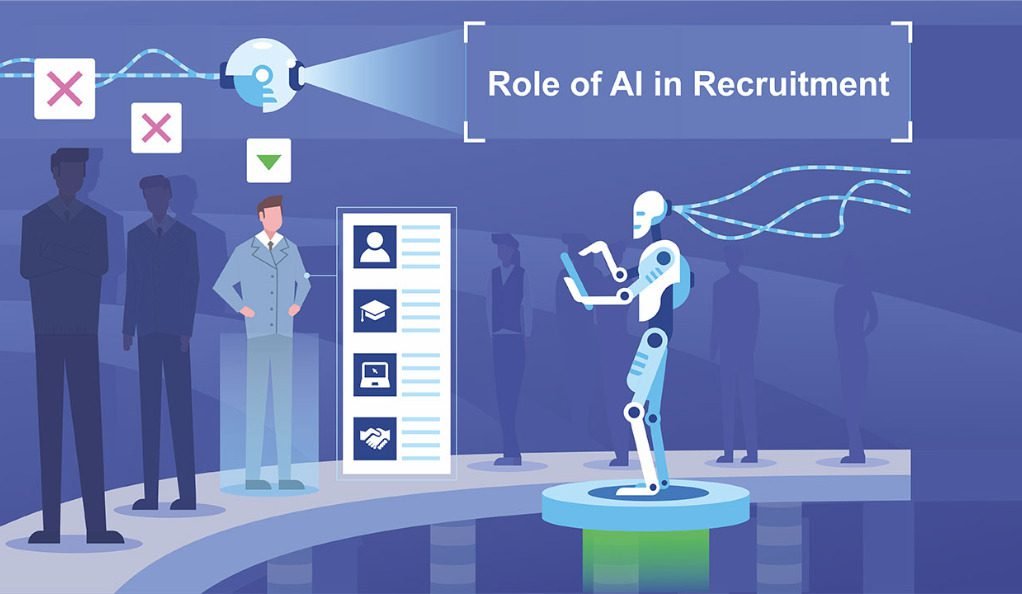
How AI Is Reshaping the Hiring Process
Recruiting is one of the largest spaces undergoing an AI-driven makeover. Firms are now deploying tools, such as LinkedIn Talent Insights, Hire Vue and Workable to scan resumes, analyze the match between candidate and company, and even conduct initial first round interviews.
This trend has made it critical for job seekers to adjust as well. One simple but essential step is making our resume ATS friendly.
An ATS optimized resume is one that’s designed to be easily ranked and read by these applicant tracking systems. Here are a few quick tips:
- Standard section titles such as “Experience” and “Education.”
- Don’t use graphics, it’s difficult to read tables and uncommon fonts.
- Work in keywords from job posting because AI systems are trained to recognize them.
- Save and upload a resume in a format that the employer asks for (for example, docx or pdf if specified).
In short, understanding how automation works in hiring can give you a real competitive edge.
The Rise of AI-Enhanced Job Roles
AI has reimagined, rather than displaced jobs. There are now open roles for every industry that never existed a couple years ago, like AI Prompt Engineers, Automation Specialists, and Data Ethicists.
Even traditional jobs have evolved. Designers on AI-based platforms such as Canva Magic Studio or Adobe Firefly can come up with creative ideas in seconds.
Most of the developers use GitHub Copilot to write and debug code faster.
These aren’t replacements, they’re enhancements that allow professionals to work smarter and deliver more value.
Preparing for the Future
As robots and automatic management ever grow. The skill most sought after is adaptability. Learning how to use AI tools, understand data, but maintaining a human touch in creativity, leadership, and problem-solving will be the differentiator.
The next workplace will not just work harder but work together with machines. This means using their talents and going double about what makes us human: empathy, imagination, and critical thinking.
AI Is Creating New Careers Too
An incredible fact is that AI is not just changing the current workforce; it’s creating whole new jobs. Years ago, you couldn’t find AI Prompt Engineer, Automation Strategist or even Data Ethics Officer roles that still existed today.
Even in creative industries, there are new opportunities. AI trainers, digital curators, and automated workflow consultants are all on demand right now. This kind of work necessitates not only technological know-how, but also a human touch.
All of these are signs that although some routine work will disappear, the overall picture is still changing – but in another direction.
In Conclusion
AI and automation aren’t signals of job loss they’re signs of evolution. They’re redefining job roles, reshaping industries, and creating opportunities for those willing to adapt.
So, whether you’re fine-tuning your resume for an AI-powered screening or using automation to optimize your workflow, remember the goal isn’t to compete with machines, it’s to collaborate with them.