By: Ms. Yashvi Singhvi (Web Development Intern)
Attending a corporate event or industry expo is one of those things that looks simple from the outside like you show up, walk around, talk to a few people, and that’s it. But anyone who has actually attended one knows there’s much more to it.
Some events genuinely open your eyes. Some introduce you to people you would’ve never met otherwise. And some teach you things you didn’t even know you needed to learn. But this only happens if you know how to make the most of the event.
Before the Event: Small Prep
- Know Why You’re Going
Every company has its own reason for attending an event. Maybe it’s networking, maybe it’s learning about new technology, maybe it’s competitor research.
Before you go, have a quick internal discussion and understand:
- What is the main objective?
- What does your team expect you to bring back?
- Who are the important people/companies to look out for?
It makes your whole experience more focused.
- Read About the Event
A quick look at the event schedule, speaker list, and exhibitor list helps a lot.
You already know who you want to meet and which stalls are worth your time.
- Be Ready to Explain Your Company
You don’t need a rehearsed pitch just a clear, simple explanation of:
- What your company does
- What problems it solves
- What makes it different
- Dress Decently & Carry the Basics
No need to overdress just look professional and confident.
Carry the necessary things:
- ID card
- Business cards
- A notebook or phone for notes
- A small bottle of water (events are tiring!)
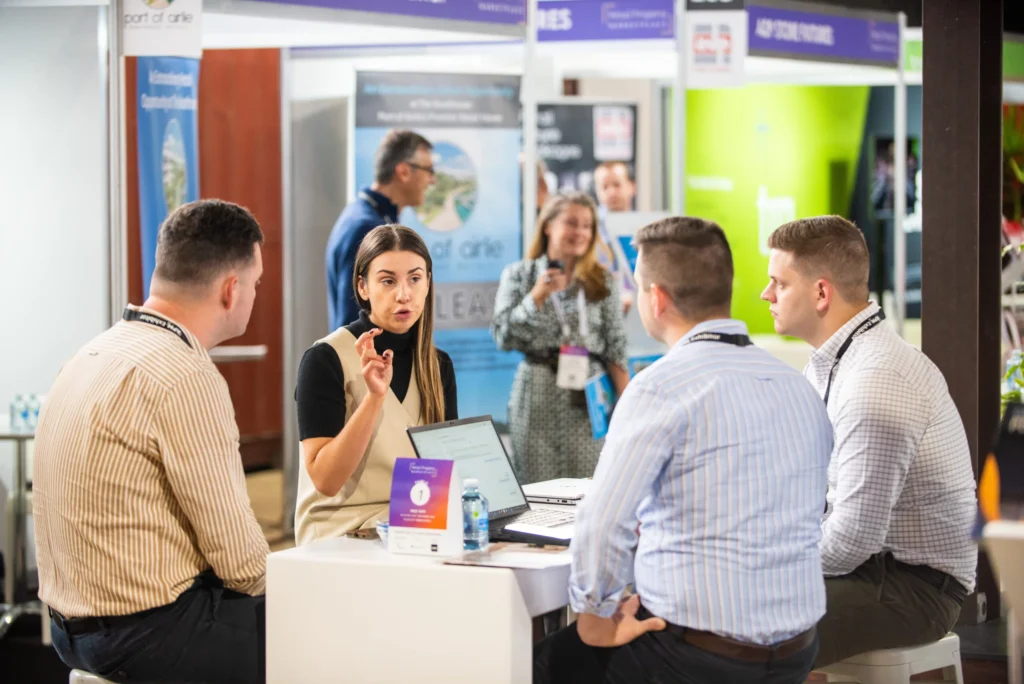
During the Event: Be Curious, Be Present, Be Professional
- Don’tJust Walk Around, Pay Attention
Every booth, every demo, every interaction has something to teach.
Look at how other companies present themselves, how they explain their offerings, how they talk to visitors. You’ll learn a lot about market expectations.
- Talk to People
This part is uncomfortable for many, but extremely valuable.
Just start with:
“Hi, I’m from ___, what do you guys do?”
You’ll be surprised how quickly conversations become meaningful.
- ObserveCompetitors Without Stress
Events are the best place to understand what others in your field are doing.
Not to copy but to understand gaps, trends, and opportunities.
- Take Notes on Interesting Things
You will forget 70% of what you saw unless you note it down.
Write small things:
- A product idea
- A unique stall design
- A clever marketing line
- A new industry problem or trend
These tiny notes become very valuable later.
- Represent Your Company Well
Be polite, approachable, and honest.
If someone asks something you don’t know, it’s completely fine to say:
“I’m not sure, but I can connect you to the right person.”
This is more professional than giving a wrong answer.
After the Event: This Is Where the Real Value Comes In
- Share What You Learned
A short debrief with your team is enough.
Talk about:
- Companies you met
- What impressed you
- What the company can learn or adopt
- Market shifts
- Any leads or connections
This helps the entire team benefit from your experience.
- Follow Up Quickly
If you exchanged business cards or connected with someone interesting, follow up while the event is still fresh for both of you.
A simple message on LinkedIn or a short email is enough to keep the connection alive.
- Reflect on What You Gained Personally
Events are not only for company benefit.
They help you improve your communication, confidence, awareness, and industry knowledge.
Think about:
- What did this event teach me about my industry?
- What did I learn about myself?
- What can I improve next time?
Key Takeaways Employees Should Bring Back
- A better understanding of what’s happening in the industry.
- New ideas your company can explore.
- Competitor insights about what they’re doing differently.
- New connections or potential collaborations.
- Clarity about customer needs and expectations.
- Personal growth especially in communication and confidence.
Final Thoughts
Attending a professional event isn’t just a company activity it’s an opportunity for employees to learn, observe, and evolve. The way they show up, interact, and reflect afterwards says a lot about their professionalism.